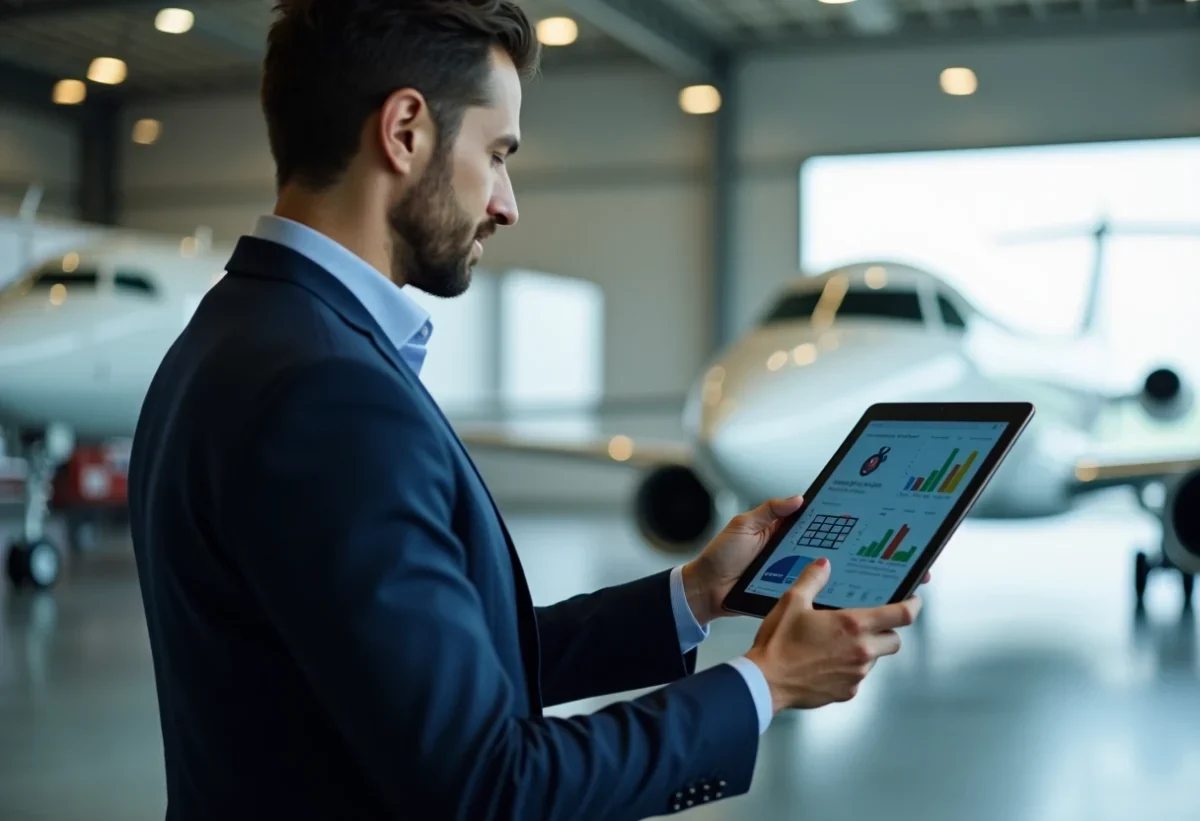
Human resource management in the airline sector presents unique challenges, ranging from coordinating dispersed crews to the ongoing training of employees. To meet these challenges, airlines are adopting innovative digital tools capable of transforming complex processes into smoother and more efficient tasks.
The integration of specialized software and collaborative platforms not only improves internal communication but also facilitates the management of schedules, skills, and performance evaluations. These technologies provide a solution tailored to the specific needs of the sector, ensuring better responsiveness and optimization of available resources.
Digital tools for optimized HR management in the airline sector
The airline industry, constantly evolving, faces unique challenges in human resource management. Airlines must juggle complex schedules, strict regulations, and significant cultural diversity. To meet these demands, they are adopting cutting-edge digital tools.
IPN Air France, for example, demonstrates the growing importance of digital transformation in human resource management. This mobile application allows for the centralization of information and facilitates communication between different departments. Other platforms, such as Intralignes Air France, are developing mobile applications to optimize daily operations and ensure better coordination of teams.
Innovative technologies
Airlines, like Air France-KLM and Airbus, are using various technologies to improve their operational efficiency:
- Artificial intelligence: enables the analysis of large volumes of information to anticipate needs and optimize schedules.
- Big data: facilitates the centralization and analysis of HR data, providing an accurate and up-to-date overview.
- Cloud: ensures optimal protection of sensitive information against cyberattacks.
- IoT sensors: monitor engine performance in real-time, thereby improving predictive maintenance of equipment.
These technologies transform human resource management by offering solutions tailored to the specificities of the airline sector. Airlines that adopt these digital tools can better anticipate skills needs, enhance ongoing training for their employees, and ensure better responsiveness to unforeseen events.
Strategies for successful and secure adoption of HR technologies
In the airline sector, security and data management are paramount when adopting HR technologies. Airlines must follow well-defined strategies to ensure a smooth and secure transition.
Security standards and audits
The International Air Transport Association (IATA) plays a key role in conducting ISAGO security audits, thereby ensuring secure data management. The ISAGO standard allows for the verification of process compliance and ensures optimal reliability of information systems.
Workforce and skills forecasting (GPEC)
The GPEC strategy is essential for anticipating future skills needs. Platforms like Mercateam facilitate this management by providing digital tools capable of centralizing and analyzing HR information. This approach allows for better training planning and adjusting workforce levels according to activity forecasts.
ERP systems
For integrated and effective management, the adoption of ERP systems like SAP is fundamental. These systems allow for the centralization of data, automation of HR processes, and ensure better coordination between different departments. Companies like Delta Air Lines use SAP to optimize their human resource management.
Data protection
The use of cloud ensures optimal protection against cyberattacks while guaranteeing real-time data accessibility. Airlines must also ensure compliance with local and international regulations to avoid any security breaches.