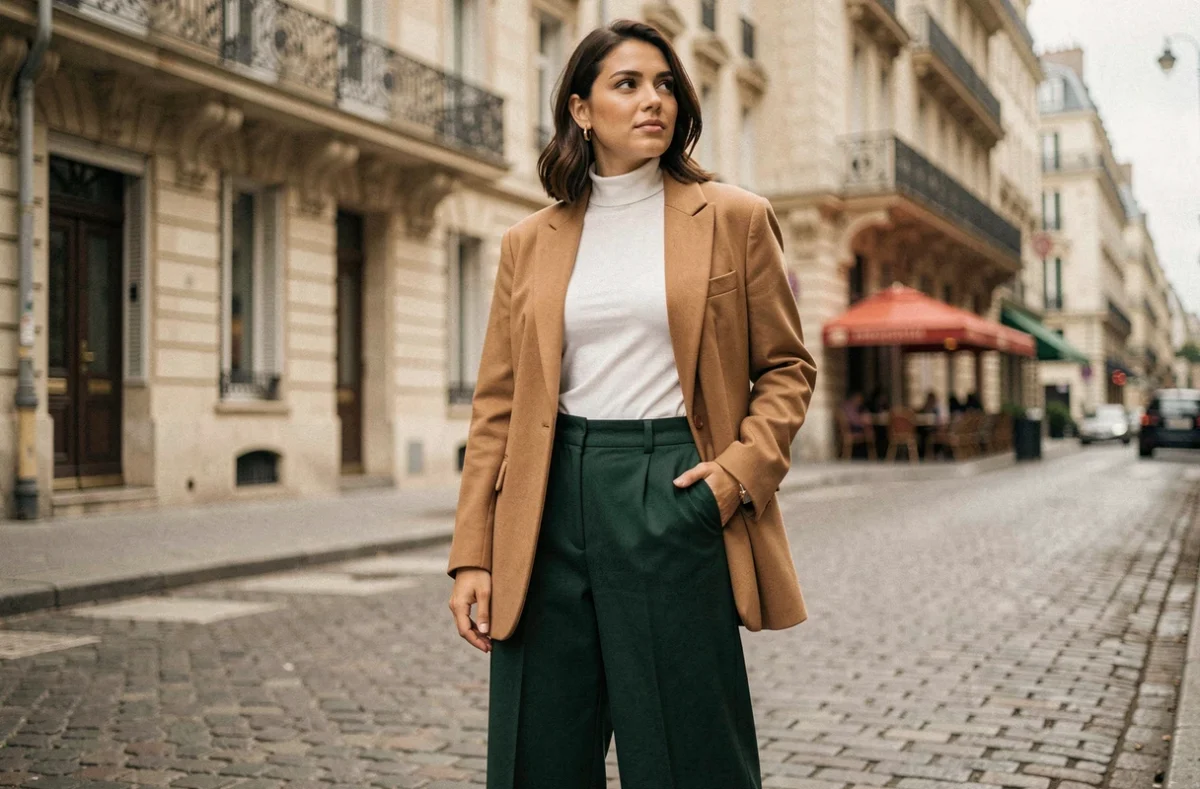
The autumn-winter 2026-2027 fashion shows have set clear directions, but this year’s clothing choices are also viewed through a new lens: the European regulation on ecodesign is starting to influence the design of collections. Brands are adjusting their materials, production volumes, and distribution channels. This context changes what arrives in stores, and therefore what you can actually wear this season.
Digital passport and textile traceability: what changes for the consumer
The European regulation on ecodesign for sustainable products (ESPR), which came into effect in July 2024, places textiles among the priority sectors. A specific delegated act for clothing is planned for 2027, with a regulatory transition period before full compliance.
The future digital product passport is expected to document the composition, origin of manufacturing stages, certain environmental indicators, chemical compliance, as well as repairability and recyclability. The precise requirements are still being defined for textiles.
For those following fashion trends on C Nouveau, this evolution means that pieces offered by brands will gradually display more information about their origin. In practical terms, buying a dress or a coat in 2026 means anticipating a market where transparency will become as much a criterion for choice as cut or color.
The European directive 2025/1892 also stipulates that each member state must establish an extended producer responsibility scheme for textiles and footwear, with a general deadline set for April 2028. Brands must also annually declare destroyed unsold products, the reasons, and their destination. This framework transforms stock management and mechanically reduces the volumes of certain references.

Materials and colors from the autumn-winter 2026 runways
This season’s shows confirm the return of visually striking materials. Lace, worn in total looks or layered, is prominent across several collections. It extends beyond evening dresses: blouses, midi skirts, high collars.
In terms of palette, black still dominates runway silhouettes, but this year it shares the spotlight with food-inspired shades (butter, caramel, honey) and deep burgundy tones. Field reports diverge on this point: some mass-market brands are betting on bright colors, while high-end remains on muted tones.
Lace and transparency: beyond the cliché
Lace in 2026 is no longer confined to visible lingerie. It structures entire pieces, often partially lined to play with degrees of transparency. Lace is worn as a main piece, not as a decorative detail.
The runways showcase combinations that would have seemed contradictory a few seasons ago: lace and denim, lace and thick leather, lace under a technical jacket. This approach requires choosing materials with good structure, which ties back to the traceability issue mentioned earlier.
Black and its concrete alternatives
Wearing black remains the safest reflex for building an autumn-winter silhouette. However, collections show that monochrome black gains interest when it plays with textures: ribbed knit, velvet, matte satin, boiled wool. A total black look made of four different materials creates a richer effect than a classic coordinated set.
For those wanting to step away from black without taking risks, warm neutral shades (golden beige, taupe, cognac) allow for smooth transitions. Deep burgundy works as a near-black with more character.
Silhouettes and cuts defining the 2026 style
Three directions coexist this season, and they are quite distinct.
- Loose volumes on the upper body (defined shoulders, balloon sleeves, oversized collars) paired with fitted bottoms. The return of skinny jeans, long anticipated, is confirmed in some shows but remains debated by buyers.
- Structured long dresses, often in knit or thick jersey, worn alone with high boots. They are gradually replacing jumpsuits as an easy one-piece option.
- The funnel neck coat is emerging as the most visible outerwear piece this autumn-winter. Its enveloping cut and high collar distinguish it from the classic overcoat.
The funnel neck coat: why this cut is taking over
This coat works because it solves a practical problem: protecting the neck without a scarf while maintaining a clean line. The most wearable versions fall below the knee, in materials dense enough to hold their shape without heavy lining.
It can be worn over jeans and a sweater as well as over a dress. This versatility explains its presence across a wide range of price points, from accessible segments to luxury.
Autumn-winter fashion accessories: structured bags and visible jewelry
This season’s bags abandon soft, shapeless formats. Structured flap models, medium-sized, dominate office and city collections. Grainy leather and matte finishes are gradually replacing smooth, shiny surfaces.
In jewelry, voluminous pieces maintain their place: thick chains, sculptural earrings, brooches worn on the coat lapel. The available data does not allow us to conclude whether this maximalist trend will persist beyond the season, but it corresponds to a need for personalization in a context where wardrobes are tightening.
Shoes: knee-high boots and slingbacks with socks
The knee-high round-toe boot remains the most coherent choice with the season’s long silhouettes. Meanwhile, the slingback and fine socks duo is establishing itself as an alternative to classic pumps for mid-season. This combo, visible in the street style of recent fashion weeks, extends the lifespan of open shoes beyond summer.
This year’s fashion trends are characterized by a dual movement. On one hand, aesthetic codes (lace, textured black, contrasting volumes) remain rooted in a tradition of autumn wardrobes. On the other hand, the European regulatory framework is beginning to reshape the available offer, pushing brands towards greater traceability and less overproduction. Following fashion in 2026 also means reading labels differently.