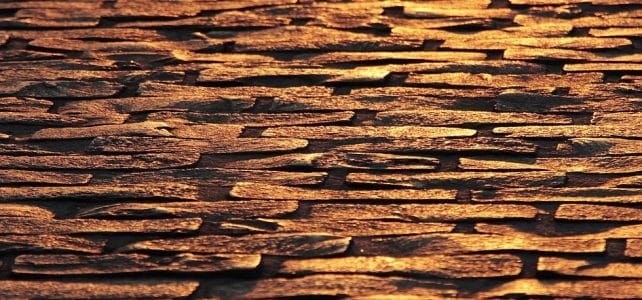
Permeable pavers are flooring elements designed to support the passage of vehicles while providing an aesthetic and durable surface. These pavers are commonly used in urban developments, residential driveways, parking lots, pedestrian streets, and even in certain industrial contexts. Their design must meet specific requirements to ensure their resistance and longevity against the mechanical stresses imposed by road traffic.
Characteristics of permeable pavers
The permeable pavers stand out for their robustness and ability to support heavy loads. They are generally made from materials such as concrete, granite, or other natural stones. Concrete is often favored due to its malleability during manufacturing and its strength once hardened. Granite pavers or other natural stones, although more expensive, are appreciated for their exceptional durability and aesthetics.
One of the main characteristics of permeable pavers is their thickness. They must be thick enough not to crack or break under the pressure of vehicles. Generally, a minimum thickness of 8 cm is recommended for areas with light traffic, while greater thicknesses may be necessary for areas with heavy traffic or for industrial applications.
Advantages of permeable pavers
Permeable pavers offer several advantages over other types of surfaces such as asphalt or poured concrete. First of all, their durability is remarkable. When properly installed, they can last several decades without requiring major repairs. This longevity is particularly advantageous in high-traffic areas where other materials might degrade more quickly.
Aesthetics is another major asset of permeable pavers. They are available in a wide variety of shapes, sizes, and colors, allowing for great flexibility in designs. This diversity allows for the creation of unique patterns and the harmonious integration of pavers into the surrounding landscape.
Permeable pavers are also advantageous in terms of maintenance. Unlike asphalt, which may require frequent repairs, damaged pavers can be replaced individually without affecting the entire surface. This modularity greatly facilitates interventions and reduces maintenance costs.
Installation and laying
The installation of permeable pavers requires careful preparation of the ground. A good foundation is essential to ensure the stability and durability of the paved surface. The process begins with excavating the soil to remove unstable materials and prepare a solid base. This base is generally made of compacted gravel to ensure good drainage and prevent settling.
Next, a layer of sand is laid to serve as a bed for the pavers. The pavers are then arranged according to the desired pattern and compacted to ensure they are well in place. Finally, fine sand is swept into the joints between the pavers to stabilize them and prevent movement.
Common applications
Permeable pavers are used in a variety of contexts. In residential areas, they are commonly employed for driveways, courtyards, and patios. In public spaces, they can be seen in pedestrian streets, squares, and parking areas. Their use in industrial areas is also common, especially where a durable and resistant surface is necessary for the passage of heavy vehicles.