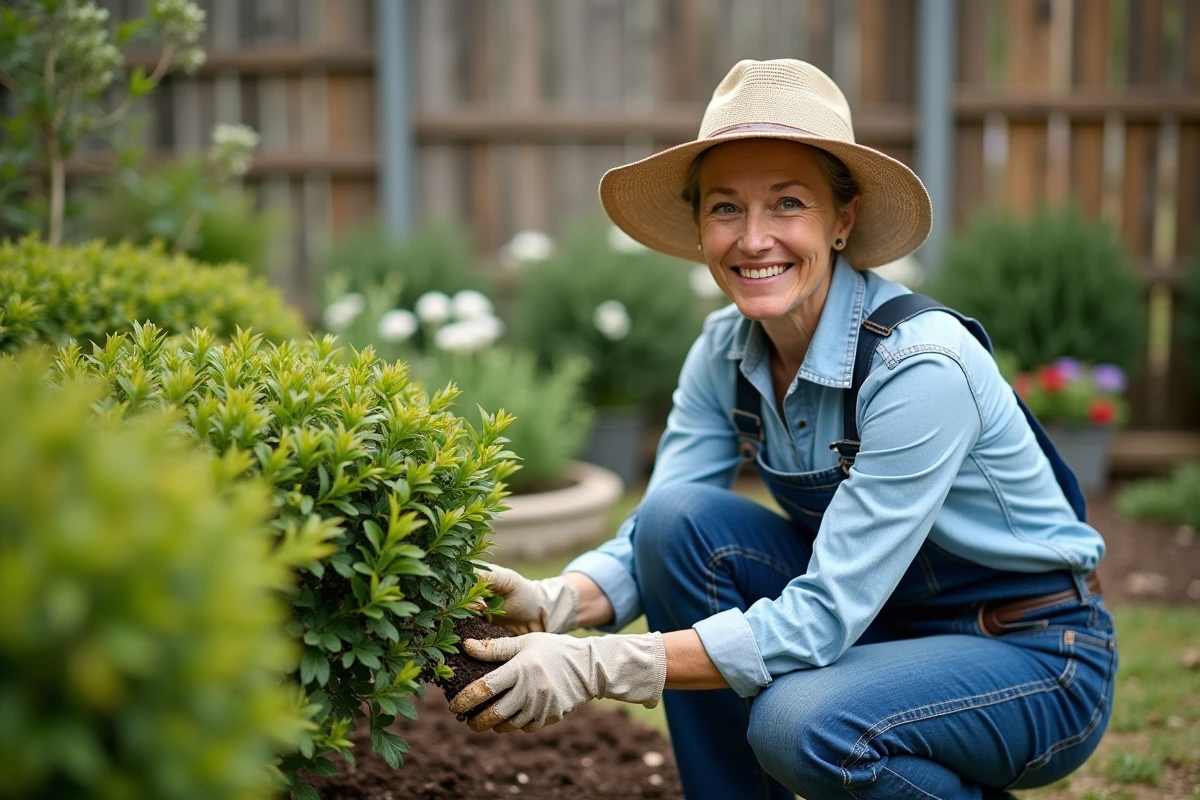
The size in winter does not always favor flowering, contrary to popular belief. Some plants require a cut in spring to prevent young shoots from freezing. Universal fertilizers, often favored, sometimes deplete soil biodiversity.
Automatic watering does not guarantee a balanced water supply, especially during unexpected seasonal variations. Maintenance methods evolve according to climatic constraints and the specific needs of each plant.
The fundamentals for a healthy garden all year round
Keeping a garden alive and balanced is not something that can be improvised. Regularity is the common thread: a few simple actions, repeated throughout the year, make all the difference. Careful maintenance allows your plants to withstand the seasons without weakening, while avoiding heavy (and costly) interventions later. Organize your tasks according to key periods and adapt them to the layout of each green corner. Mowing the lawn, thickening the grass, trimming hedges and shrubs: these actions shape the vigor and appearance of your spaces.
Next, focus on the soil, the true foundation of the garden. A regular supply of homemade compost ensures rich, living soil. Mulching protects the surface, limits water evaporation, reduces competition from weeds, and nourishes underground life. Prefer natural fertilizers to stimulate growth without disrupting soil balance. Chemical treatments have no place here. As for watering, it must be thoughtful: each plant has its rhythm, each season its supply, to conserve water and avoid excess or deficiency.
The pressure from pests? There are respectful alternatives. Encourage the arrival of natural allies by installing nesting boxes or ponds. These shelters host valuable wildlife that regulates pests. Every choice impacts biodiversity, from flowering beds to diversified hedges. To delve deeper into these practices and discover targeted recommendations, consult Conseil Jardinage. There you will find precise advice designed to support both enthusiasts and amateurs.
One last point often overlooked: the maintenance of gardening tools. A clean and well-sharpened pruner is not a luxury. It prevents unnecessary harm to plants and limits the spread of diseases. These common-sense actions, repeated each season, create a welcoming and sustainable garden.
What actions to adopt each season to anticipate your garden’s needs?
The garden follows its own rhythm, dictated by the seasons. Observing and adjusting is the golden rule to avoid being caught off guard. In spring, everything restarts: enrich the soil with compost, sow vegetables, divide perennials, and trim certain shrubs to encourage their development. Lawn mowing becomes more frequent, and scarifying aerates the soil, giving your lawn a youthful boost.
In summer, vigilance is essential. Water needs explode, but be careful of excess. Targeted watering, tailored to the species, is necessary. Mulching is your ally here: it maintains moisture and slows down weeds. In the vegetable garden, alternate crops from year to year to avoid depleting the soil and limit the spread of diseases. Aromatic plants and flowering beds are not just decorative: they attract a host of beneficial insects, including pollinators and auxiliaries.
In autumn, we prepare for what’s next. We strengthen the soil with compost, protect fragile areas with thick mulch or chipped wood, harvest the last fruits, and trim hedges and shrubs. It’s also time to clean tools to start the next year on a good footing.
In winter, the garden goes into dormancy. The most exposed plants benefit from being protected by insulating mulch. It’s also time to take stock of the equipment, plan the next plantings, and consult the lunar calendar to optimize upcoming sowing.
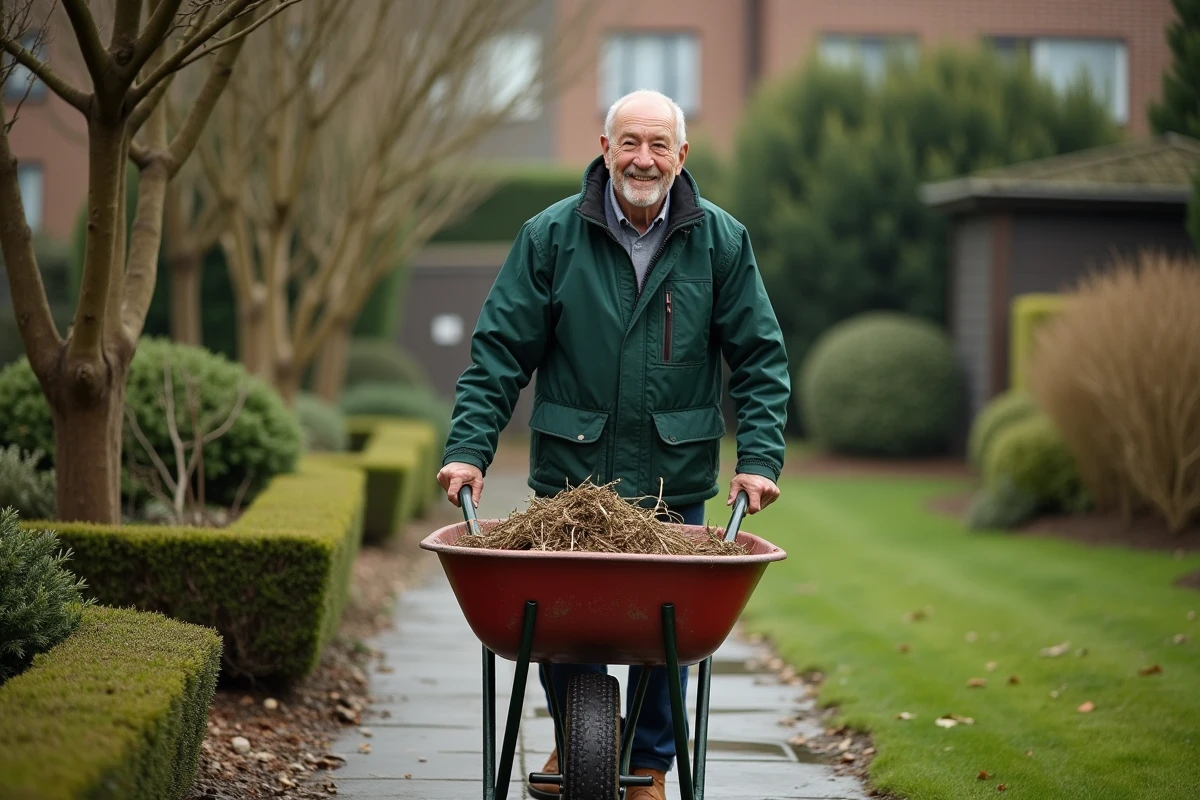
Ecological gardening: practical tips and easy advice to implement
Adopting ecological maintenance transforms the life of your garden and makes it more resilient. Mulching, for example, acts as a true shield: it protects the soil from erosion, retains moisture, and slows down unwanted weeds. Use what nature offers on-site: grass clippings, fallen leaves, chipped branches. It’s simple, economical, and nourishes the soil deeply.
To limit water consumption, here are some proven solutions:
- Installing a rainwater collector allows for watering without drawing from the mains.
- Drip irrigation targets the roots and avoids unnecessary losses.
In the vegetable garden, vary the crops each season, sow green manures, compost plant waste: the soil regenerates and diseases establish less easily.
To strengthen the garden’s natural resistance, multiply shelters for small wildlife. Nesting boxes, insect hotels, piles of wood or stones: these shelters encourage the arrival of ladybugs, hedgehogs, or birds, all valuable against pests. Combine species to enhance their mutual protection: some companion plants repel pests or attract pollinators. The more diverse your garden is, the more stable and self-sufficient it will be, ready to face the unexpected challenges of climate or pests.
Ultimately, every action counts. Maintaining your garden is about shaping a small living ecosystem, capable of adapting and surprising, season after season.